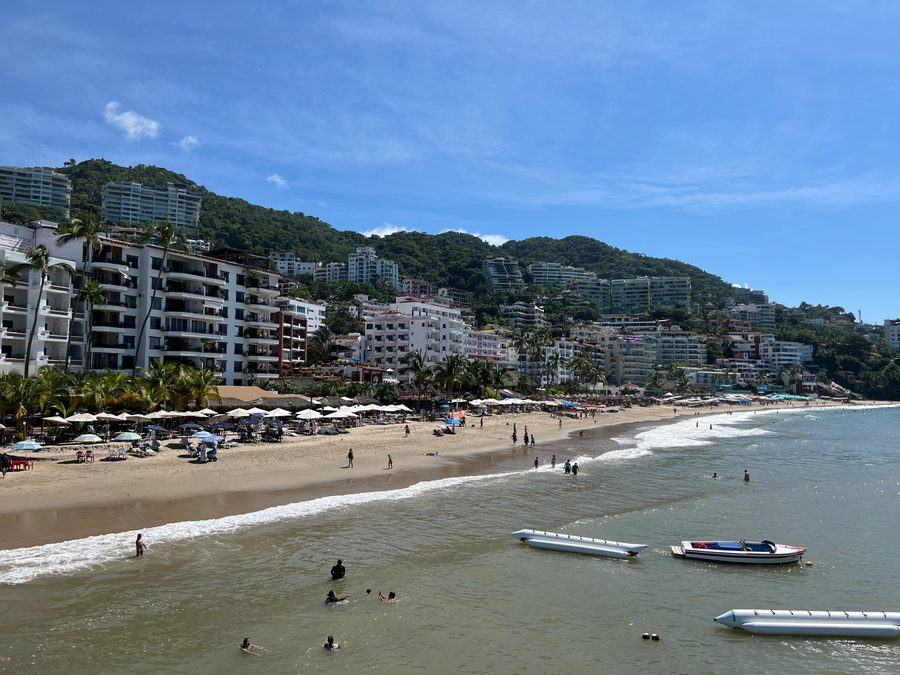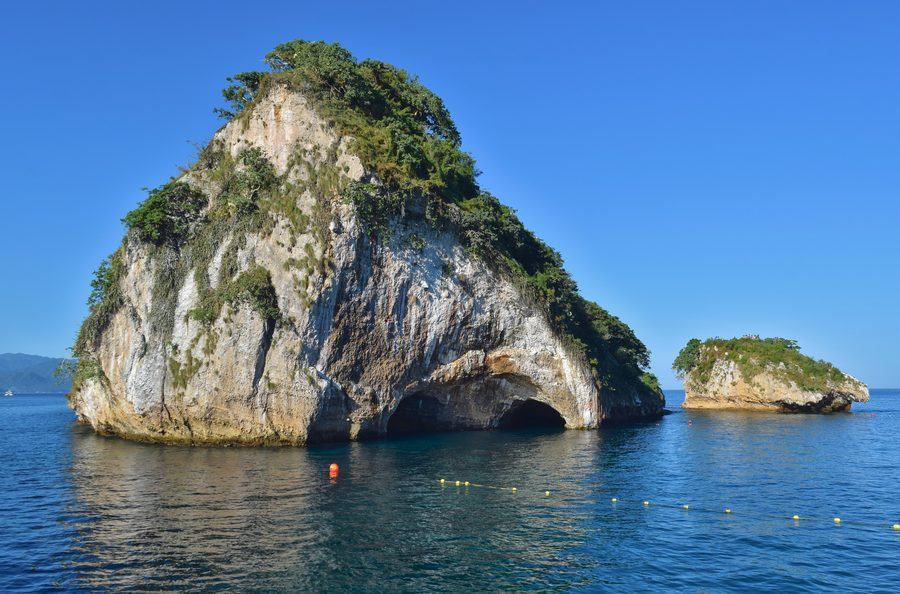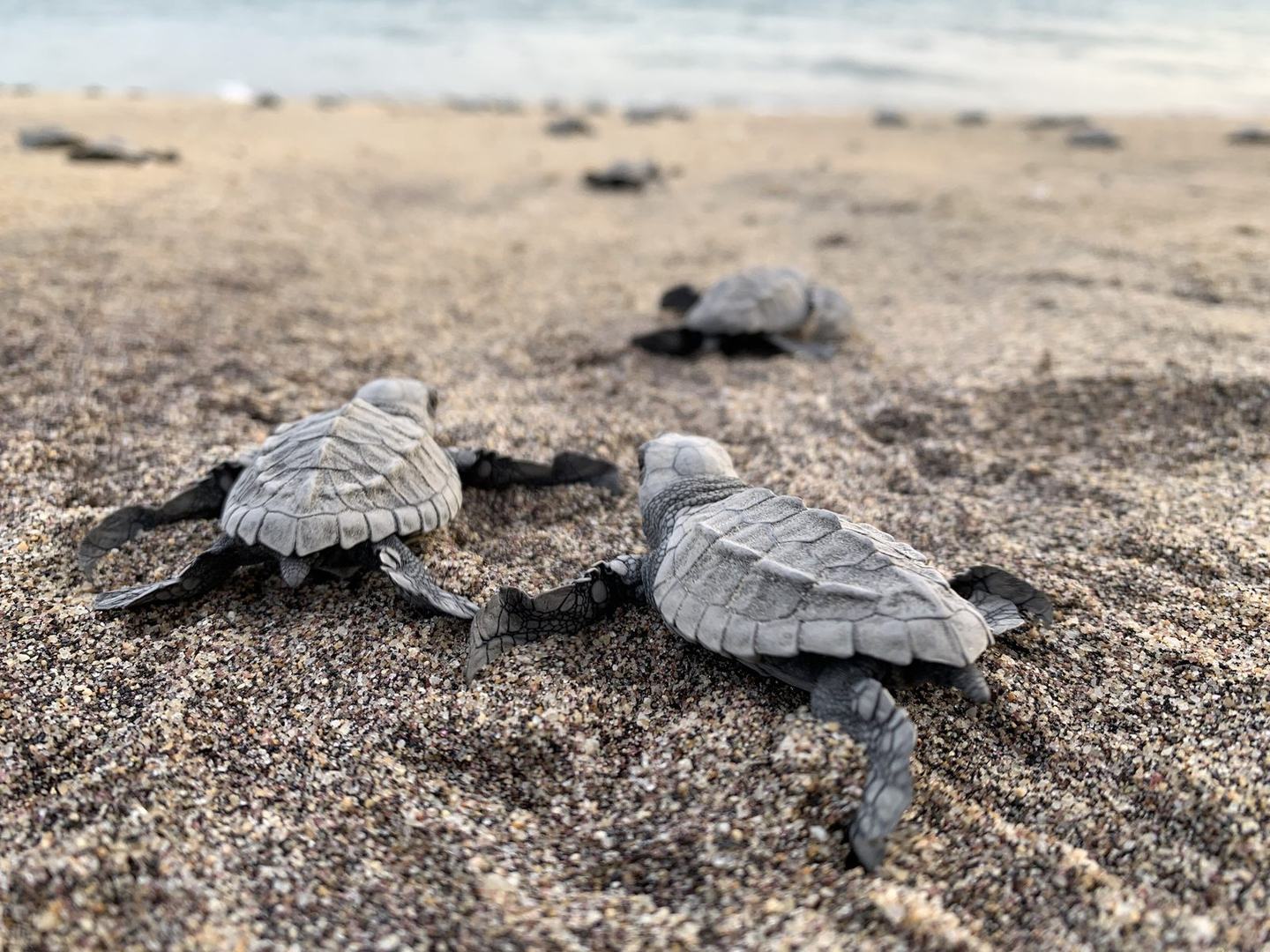
Few things in Banderas Bay are as moving as watching a hatchling cross the sand toward its first wave. The experience is also one of the easiest to do badly. This guide covers when the season runs, what actually happens, how to choose a release you can feel good about, and how to book one.
See the turtle hub: season, camps and bookable releases→When is turtle season?
Nesting on the beaches of Banderas Bay is reported from June to September, and the release season people can visit runs roughly August to December. Eggs incubate for about 45 days, so the hatchlings you see depend on when the nests were laid and on the weather. That is why camps tell you to check times the same day, and why no operator can honestly promise a release on a given evening.
What actually happens
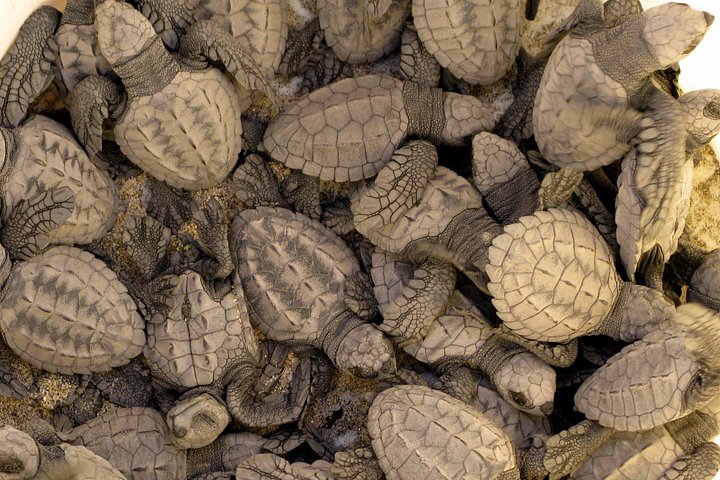
1. Nests are found. Night patrols led by biologists look for nests along the beach. Olive ridley turtles nest here. 2. Eggs are moved. They are gathered and moved, still in the nest, to protected nurseries run by camps and some hotels. 3. About 45 days. Temperature decides sex: warmer nests produce females and cooler ones males. 4. Release. Hatchlings are set down at the edge of the beach, often at sunset, and crawl to the sea on their own. Some are said to return about ten years later to nest.
Local programs report that about 96% of eggs are now incubated successfully, compared with about 40% before they existed. That figure comes from a local news report and is not independently verified, so treat it as a reported number.
Where releases happen
- Boca de Tomates camp: on the beach behind Puerto Vallarta's airport. Release times change daily, so check its page first.
- CasaMagna Marriott Puerto Vallarta: a hotel hatchery program reported to run since 2005, open to guests. Call ahead.
- Nuevo Vallarta (Flamingos Beach): a camp for conservation, hatching and release on the Nayarit side.
- Sayulita: releases happen the day the turtles hatch, so dates are announced daily.
- Mayto: reported about two hours south of Puerto Vallarta, in Jalisco.
Details and schedules change. Confirm directly before you go.
How to choose a release you can feel good about
A responsible program, per one local guide, shows red-light rules, limited group size and no flash, explains the species and rules before the release, and keeps the beach dark and calm. Look for these, and avoid the rest:
- Staff explain what is happening and where you may stand.
- Nobody hands out hatchlings for photos. Do not pick them up unless authorized staff tells you to.
- No flash, flashlights or drones, and no blocking the path to the water.
- A late-day release (many programs start around sunset), not midday.
- Be wary of very cheap programs that allow handling, or that force a release when nests are not ready.
What it costs
One local guide puts a basic guided release at about 300 to 900 pesos per person (roughly $17 to $50 USD), and a package with transport, a guide and another activity at about 1,200 to 2,500 pesos. Some camp releases are described as usually free, with donations welcome. Prices and times vary, so check the listing for your date.
 Sea Turtle Release
★ 4.9 · 138 reviews · from $77 USD · 1.5 h
🐢 Release season: about 7 weeks left
✓ Free cancellation
Check availability →
How to help beyond one evening
- Adopt a nest or donate to a camp directly. At Sayulita, nest adoption is reported at about 500 pesos. A tour fee goes to the tour operator and does not automatically reach the camp, so ask the camp how to give.
- Volunteer. Project Tortuga is reported to run volunteer projects of about two months.
- Keep beachfront lights off at night. Light pollution is one of the known threats to olive ridley hatchlings, which it can pull off course.
- Take your trash home. Marine debris and fishing bycatch are among the main threats to the species, which the IUCN lists as Vulnerable.
Plan around it
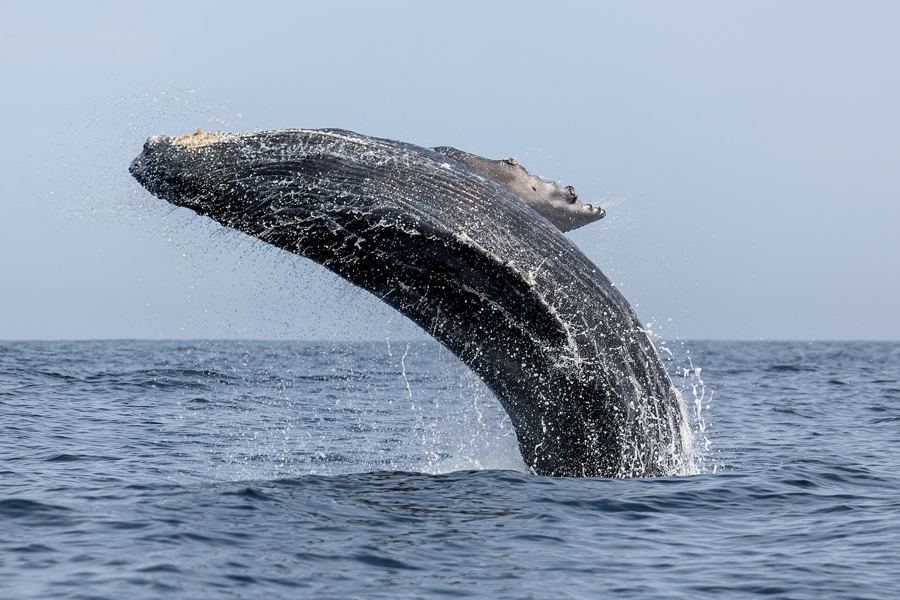
Turtle season runs into whale season, which starts in December. If you are visiting then, you can combine a sunset release with a whale-watching trip.
Whale season in Banderas Bay→