Many snowbirds will not spend the winter without the dog. In 2026 the rules for dogs changed, and the cat rules did not. This guide uses the official USDA APHIS and CDC pages as they stood in early November 2026. Rules change often, so check both sites again before you book a vet visit.
The short version
| Dog | Cat | |
|---|---|---|
| Going to Mexico | NWS (screwworm) inspection certificate, issued no more than 5 days before travel | No health certificate or NWS document needed |
| On arrival | Inspection by SENASICA at the OISA office | Inspection by SENASICA at the OISA office |
| Coming back to the US | CDC Dog Import Form receipt, microchip, at least 6 months old, healthy; APHIS screwworm certification on re-entry | The APHIS page lists no cat-specific return rule: check APHIS and your airline |
Going to Mexico with a dog
Pet dogs need an NWS inspection certificate (New World screwworm). Per USDA APHIS:
- It must be signed by a USDA-accredited veterinarian.
- It must be issued no more than 5 days before you travel, so plan the vet visit close to your departure date.
- It does not need APHIS endorsement.
- The requirement took effect on August 3, 2026.
The APHIS page does not mention microchip or rabies vaccination for entering Mexico. Your airline may ask for them, so ask it directly.
Going to Mexico with a cat
APHIS states that a health certificate or NWS inspection document is not required for pet cats, and that there is no change for cats.
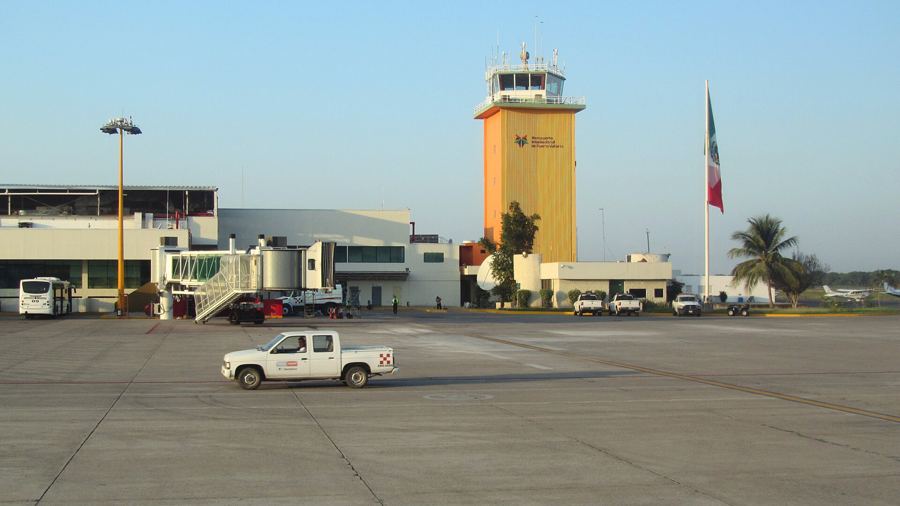
What happens at the airport in Puerto Vallarta
On arrival you go to the Agricultural and Livestock Health Inspection Office (OISA). SENASICA, Mexico's animal health authority, checks your pet for signs of infectious or contagious disease, ectoparasites and fresh or healing wounds. If ticks are found, a sample is taken and the pet may be held. Disposable bedding, toys and food beyond the arrival day's portion may be removed, so pack a small amount of food in the carrier.
Getting from the airport into town→Coming home with a dog
The CDC is the primary authority for dogs entering the US. Its page says dogs coming from a low-risk country need no documents beyond the CDC Dog Import Form receipt, and that the dog must be the following. The page does not itself classify Mexico, so confirm Mexico's current risk status on the CDC's country list, and note that stricter rules apply to a dog that has recently been in a high-risk country.
- At least 6 months old.
- Microchipped. Any brand works if a universal scanner can read it. If the number does not start with 9, ask your vet to check that it is readable.
- Healthy in appearance.
The receipt is valid for multiple entries for six months as long as the country you depart from does not change. If you change departure country, for example to Mexico, you need a new receipt, and the CDC recommends filling in the form well before travel. APHIS adds that dogs returning from Mexico must meet screwworm-freedom certification requirements on re-entry.
From Canada
Everything above is for pets leaving the United States. If you fly from Canada, your rules for leaving Canada and the Mexican rules for Canada-origin dogs are not covered by these pages, and sources we found disagree about whether the dog screwworm certificate applies. Confirm with SENASICA, the Canadian Food Inspection Agency and your veterinarian before you travel.
Checklist for snowbirds
1. Check the APHIS and CDC pages the week you book. 2. Confirm your pet's microchip is readable. 3. Book the vet visit within 5 days of departure (dogs). 4. Complete the CDC Dog Import Form for the trip home. 5. Read your airline's pet policy: airlines set their own rules. 6. Pack a small amount of food, and expect the arrival inspection.
Dog-friendly places in Puerto Vallarta→